
Ex-Display
SALE
Sale!
$ 19.00
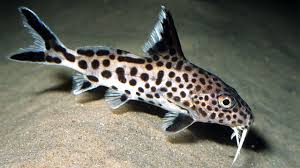
Cuckoo Catfish (Synodontis multipunctatus) Care Guide Basic Information Trait Detail Common Name Cuckoo Catfish Scientific Name Synodontis multipunctatus Family Mochokidae (Upside-down Catfish) Origin Lake Tanganyika, Africa Size 6–10 inches (15–25 cm) Lifespan 15–20 years (long-lived in captivity) Temperament Peaceful to semi-aggressive (depends on tank mates) Tank Level Bottom dweller Activity Nocturnal, but may be active during the day when settled Tank Requirements Parameter Ideal Range Tank Size Minimum 55 gallons (75 for groups) Substrate Sand or smooth gravel Decor Caves, driftwood, rocks Temperature 75–81°F (24–27°C) pH 7.8–8.6 (alkaline, hard water) Hardness 10–20 dGH Water Flow Moderate Lighting Dim to moderate preferred Diet Omnivore — not a picky eater. Feed: Sinking pellets and wafers Frozen foods: bloodworms, brine shrimp, krill Live foods (occasionally) Algae wafers and spirulina-based foods Will scavenge but should be actively fed — not just rely on leftovers Feed once or twice daily, ideally after lights out if they’re shy. Behavior & Tank Mates Best known for their brood parasitism: they lay eggs in mouthbrooding cichlid nests and let the cichlid raise their young! Can be kept singly or in groups (3 preferred for natural behavior) Generally peaceful, but can compete aggressively for food with slow or shy species Best Tank Mates: African Rift Lake cichlids, especially mouthbrooders from Lake Tanganyika Fast-moving, robust fish Other Synodontis species Avoid: Delicate, slow fish (e.g., fancy goldfish, discus) Aggressive Central/South American cichlids Very small fish that might be seen as food Breeding Behavior (Unique Trait) In the wild (and sometimes in captivity), Cuckoo Catfish sneak eggs into the nests of mouthbrooding cichlids (like Cyprichromis or Haplochromis). The cichlid incubates and hatches the catfish eggs, often at the cost of its own fry. ⚠️ This behavior won’t happen unless you have the right mouthbrooding cichlids actively breeding in your tank. Maintenance & Care Tips Keep water hard and alkaline like native Lake Tanganyika conditions Provide plenty of hiding spots to reduce stress Use a tight lid — they can jump when startled Perform regular water changes — they are sensitive to poor water quality over time ✅ Ideal For: African cichlid tanks (especially Lake Tanganyika setups) Hobbyists wanting a hardy, unusual catfish with unique breeding habits Intermediate to advanced aquarists
Paying Online
Check out securely online using the following methods